



The IT landscape is undergoing a massive transformation. In 2026, networking is no longer just about physical cables and hardware; it has evolved into a software defined, AI-driven discipline. As Artificial Intelligence (AI), Multi-Cloud environments, and automation become the industry standard, many aspiring engineers are asking: Is networking still a viable career in India?
The answer is a resounding yes, but the nature of the role has changed. Today, the most successful professionals are those who bridge the gap between traditional routing and modern automation.
Is networking a good career in 2026 in India?
Networking remains one of the strongest pillars of the Indian IT sector. With the explosion of 5G deployments, the massive growth of hyperscale data centers in cities like Mumbai and Noida, and the shift toward hybrid work, the demand for skilled architects is higher than ever.
While traditional “CLI-only” roles are decreasing, new opportunities in Cloud Networking, Network Security, and Site Reliability Engineering (SRE) are expanding the career scope.
Top Skills Required for a Networking Career in 2026
To stay competitive in the Indian job market, your “skill stack” must include a mix of core fundamentals and emerging technologies.
1. The Core Fundamentals (Still Essential)
Before moving to advanced topics, you must master the basics. A deep understanding of the OSI Model, IP Subnetting, and routing protocols like BGP and OSPF is non-negotiable. Everything in the cloud still relies on these foundational principles.
2. Advanced Technical Skills
- Cloud Networking (AWS, Azure, GCP): Understanding how to build VPCs, manage Direct Connect, and handle transit gateways.
- AIOps & Predictive Monitoring: Using AI-driven tools to detect network anomalies before they cause a breakdown.
- Network Automation: Moving toward NetDevOps by using Python, Ansible, or Terraform to manage infrastructure as code (IaC).
3. Soft Skills & Troubleshooting
Automation is no longer optional; it is the engine driving modern infrastructure. To understand how this works in a real-world setting, read our guide on How to Get a Job After CCNA in India where we break down the exact technical hurdles you’ll face in today’s interviews.
Future of Networking Technology: Smart & Self-Healing
The future belongs to Software-Defined Everything (SDx). We are moving away from manual, box-by-box configuration toward centralized, intent-based systems.
- SD-WAN: Managing traffic across global locations with intelligence and efficiency.
- Network Fabric & ACI: Using Cisco ACI (Application Centric Infrastructure) to automate data center management.
- Zero Trust Architecture: Integrating security directly into the network fabric rather than just at the perimeter.
Your Networking Career Roadmap (2026)

Step 1: Secure the Foundation (CCNA)
Start by mastering the basics. A CCNA-level understanding is the entry ticket to the industry.
Step 2: Master Hands-on Labs
Theory is not enough. Practice complex scenarios using EVE-NG or GNS3 to simulate enterprise-grade network outages and resolutions.
Step 3: Transition to Cloud & SD-WAN
Transitioning from traditional hardware to virtualized environments is a significant leap. Our Cisco SD-WAN & CCNP ENCOR Training is specifically designed to bridge this gap, giving you the hands-on experience needed to manage hybrid cloud architectures.
Step 4: Learn Infrastructure as Code (IaC)
Pick up Python and Ansible. Learn how to push configurations to 100 routers simultaneously rather than one by one.
Challenges in Networking Career
Constant learning required
One of the biggest challenges in a networking career is that you cannot stop learning. Since technologies like cloud networking and automation keep evolving, you need to stay updated regularly, which can feel continuous but is necessary for long-term growth.
Competition
There is also strong competition in the networking field because many students and professionals are entering this space. To stand out in the networking career in India, you need to build strong practical knowledge and not just rely on theory.
Need for practical skills
Another major challenge is the need for hands-on experience. Companies prefer candidates who can handle real systems, especially in future of networking technology, so practical skills like troubleshooting, labs, and real-world exposure become very important.
Conclusion
The networking career is not dying; it is maturing. The “Future of Networking” is a hybrid one where AI handles the routine and human engineers handle the strategy, architecture, and complex troubleshooting.
The future belongs to the ‘Hybrid Engineer’ who understands both the cable and the code. Start your journey into the next generation of IT infrastructure by visiting the PM Networking for expert-led courses and career mentorship.
FAQs
Is networking a good career in India 2026?
Yes, a networking career in India is definitely a good option in 2026 because demand is growing with cloud and data center expansion. It is evolving, but opportunities are increasing in modern IT roles.
What is the future of networking jobs?
The future of networking jobs is moving towards cloud, automation, and AI-driven systems. Traditional roles are changing, but new and better opportunities are coming up at the same time.
What is the best way to start a networking career?
The best way to start a networking career is by learning basics like CCNA, IP addressing as well as routing and after that, hands-on practice is quite very important to build real networking skills.
Do I need cloud skills for networking jobs in 2026?
Yes, cloud skills are very important because most companies are shifting to cloud networking. If you learn AWS or Azure basics, it can really improve your job opportunities.
Can networking give long-term career growth in India?
Yes, a networking career in India offers strong long-term growth since demand is increasing with data centers and cloud systems. If you keep updating your skills, the future is quite stable.

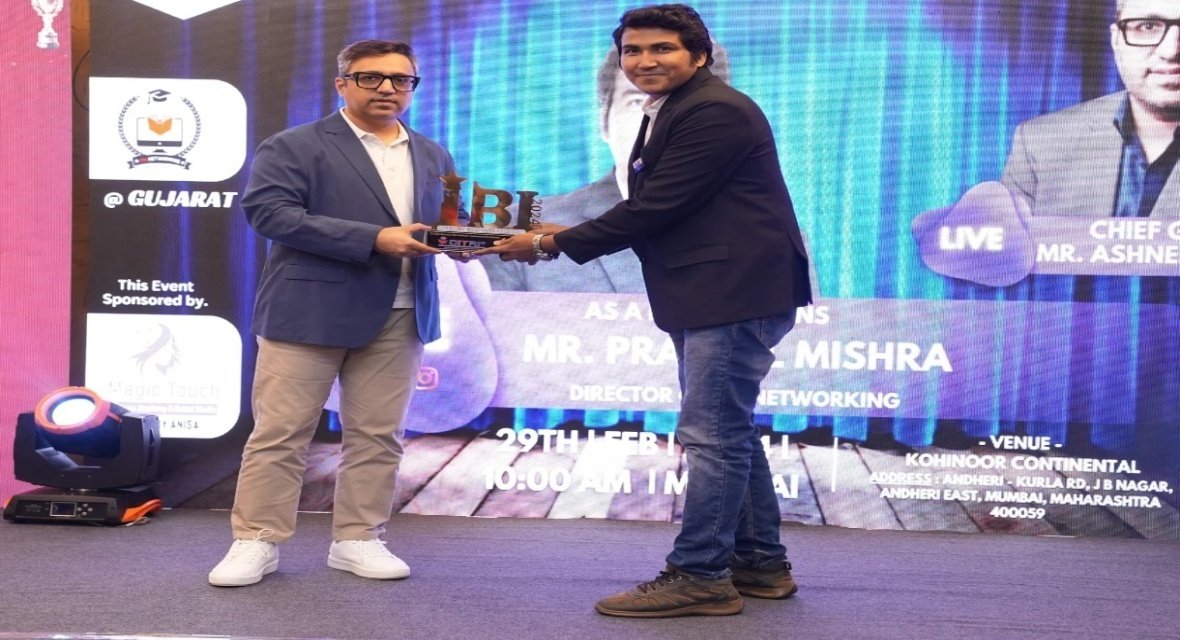
PM Networking is an emerging leader in the ed-tech space, founded by Praphul Mishra in 2020 with a vision to democratize tech education. The journey of PM Networking began as a YouTube channel with the sole purpose of sharing valuable knowledge in the fields of Networking, Cyber Security, and Cloud Computing. What started as a humble effort to educate has rapidly evolved into a comprehensive online learning platform that caters to the growing demand for specialized IT skills. PM Networking stands out in the crowded ed-tech industry by providing affordable, world-class training tailored to the needs of aspiring IT professionals. The platform is dedicated to equipping learners with the skills and knowledge required to excel in the highly competitive tech industry. Whether it’s Networking fundamentals, advanced Cyber Security protocols, or mastering the complexities of Cloud Computing, PM Networking offers a range of courses designed to cater to different levels of expertise.
0 Comments