





Network engineers use AI in networking to spot patterns, predict failures, and stop downtime before it happens. Today’s networks are huge and constantly changing, so keeping everything running smoothly is kind of a big job. AI makes it easier by watching the network 24/7, identifying any anomalies, and giving engineers an early warning when something might go wrong. This approach offers a distinct Advantage to prevent problems instead of reacting to them after the occurrence of an Event.
What Is AI in Networking?
AI in networking simply means using smart computer systems to help manage and understand what’s happening inside a network. Instead of relying only on humans to watch dashboards or react to alerts, AI can learn how the network normally behaves and make decisions or suggestions based on that knowledge.
Traditional methods of Network Monitoring rely on waiting until something goes wrong and sends alerts only after a problem shows up. However, with tools like AI network monitoring and predictive network analytics, it can spot early signs of trouble like unusual traffic patterns or slowing devices prior to becoming an actual problem.
In short, AI doesn’t just look at what’s happening right now; it looks ahead. It helps network engineers stay proactive instead of constantly putting out fires.
Why Predicting Network Failures Is Important
Why should you care about predicting network failure? Because even small outages can have significant consequences. When a network goes down, work stops, customers get frustrated, and businesses lose money. So network downtime reduction is very essential.
When engineers perform only reactive maintenance (fixing things after they break), they will always be behind in terms of maintenance. This approach leads to more stress, more guesswork and increases the likelihood of experiencing the same types of problems with the network repeatedly. It also makes the network less stable overall.
By spotting issues early, engineers can plan repairs, prevent surprises, and keep everything running smoothly. This proactive approach improves network reliability, saves money, and keeps users happy.
How AI Predicts Network Failures
AI might sound complicated, but the way it helps predict network failures can be broken down into a few simple steps. It watches the network, learns what “normal” looks like, and ultimately provides timely alerts to engineers when something goes wrong with their network. Here’s how it works:
Real-Time Data Collection
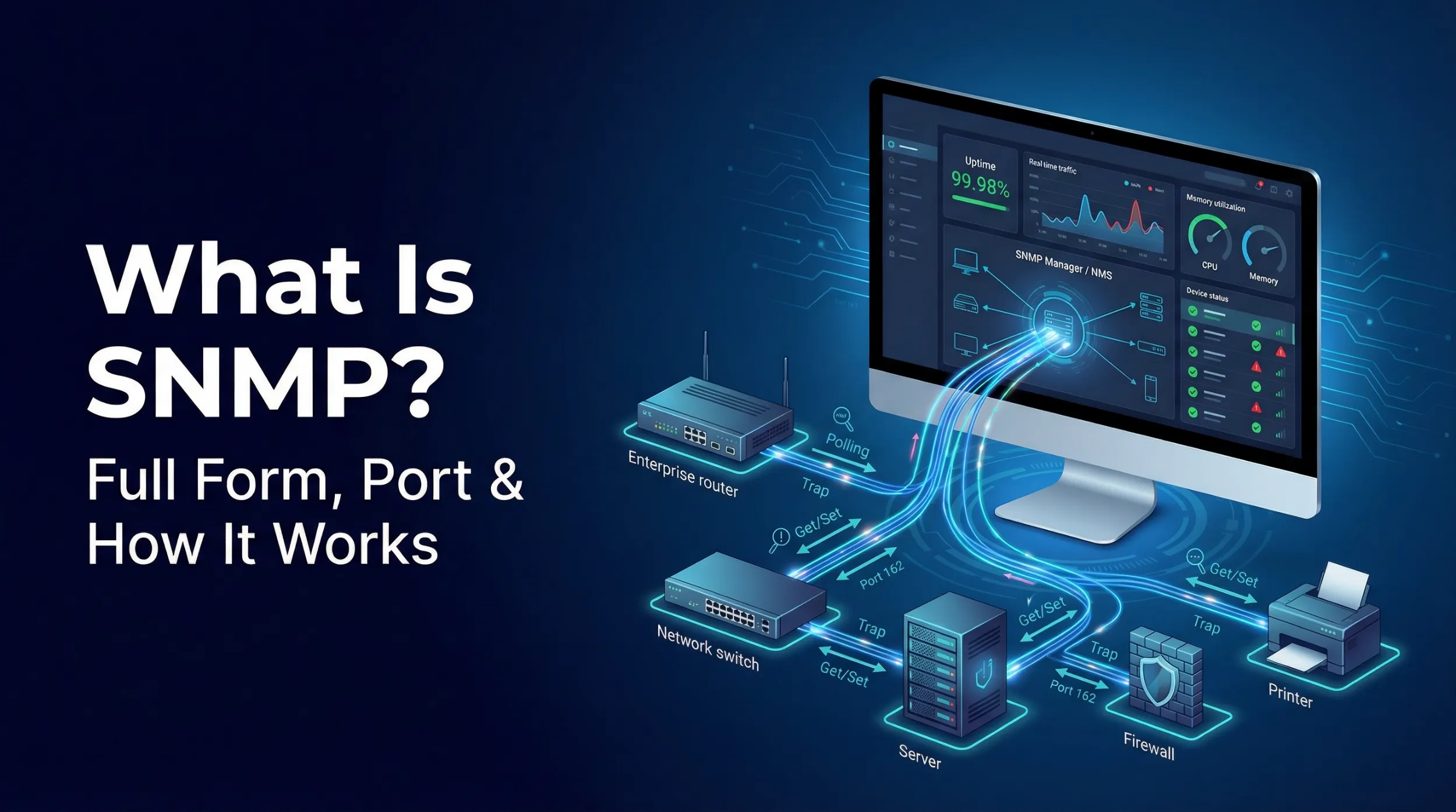
AI starts by collecting large amounts of real-time network performance data from various sources, including logs, SNMP data, NetFlow and network telemetry.
Through this accumulation of data, AI gains an understanding of how a given network typically performs during each hour of the day.
Pattern Recognition & Anomaly Detection
Once the data is collected, AI looks for patterns. With AI pattern recognition, it learns what normal traffic and device behavior look like. Then it uses anomaly detection in networking to spot anything unusual like sudden latency spikes for example or any other kind of anomaly or unexpected packet loss, or strange traffic flows. These small signs often point to bigger problems coming soon.
Predictive Analysis & Forecasting
Next comes the smart part: AI uses machine learning in networking to predict what might happen next. By studying past issues and current behavior, AI studies historical data as well as current user behavior, it can forecast things like device failures, link congestion, or performance drops.
These predictive failure prediction alerts enable engineers to proactively address these issues and help mitigate possible outages before they hit users.
Benefits of Using AI to Predict Failures
- Less Downtime: AI identifies problems early to ensure the smooth operation of networks.
- Lower Maintenance Costs: Problems addressed at early stages save both money as well as resources.
- Fewer Interruptions: AI forecasts failures in order to prevent service disruptions.
- Faster Troubleshooting: AI recognizes the root cause of the problems quite fast.
- Better Network Security: Round-the-clock monitoring helps detect and prevent threats.
- Overall Efficiency: AI-based solutions make networks more reliable and teams work smarter.
Challenges and Limitations of AI in Networking
Even though AI brings a lot of advantages, like everything else it’s not perfect. There are a few things network teams still need to watch out for, such as:
Data Privacy Concerns
AI requires a significant amount of data to work well. However, data gathering and analysis may raise questions over privacy, thus companies need to ensure that sensitive data is secure and it is being appropriately managed.
High Cost of Implementation
Smaller businesses often find it hard to afford the expense of developing their own AI systems because of the high costs of AI tools, hardware, & software. Developing and using AI tools (AI implementation challenges) is often an obstacle faced by many teams.
Skill Gap for Network Teams
AI and network automation limits mean engineers may need new skills. you can build your network engineers skills. Some teams struggle because they’re not yet trained to work with AI tools or understand machine learning concepts.
Future of AI in Networking
The future of networking is looking smarter and more automated than ever. Here are some exciting things on the way:
Self-Healing Networks
Networks will be able to detect issues and fix themselves automatically, without waiting for human intervention.
Autonomous Network Operations
With advances in AI-driven network management, networks will handle routine tasks, adjust performance, and respond to changes on their own. These fully autonomous networks will be much more efficient.
Predictive Maintenance at Scale
Instead of fixing things only when they break, AI will predict problems across thousands of devices and locations at the same time. This will take proactive care to a whole new level and reshape the future of networking.
Conclusion
The way network engineers use predictive analytics to prevent outages and ensure network continuity is changing because of AI. AI enables engineers to identify potential system failures before they happen; therefore, it can reduce downtime, maintenance costs, speed up troubleshooting, and improve network security.
If your goal is to create a reliable and efficient network, now is the perfect time to start exploring AI in networking strategies. As soon as you embrace AI technologies, your network will become more intelligent and seamless.
FAQs
1. Can AI fully replace network engineers?
No, AI can not and will not replace engineers. It helps them work faster and smarter by automating repetitive tasks and allows them to identify problems sooner. Human judgment is still needed and will always be required to help with more complex decisions/planning/budgets.
2. Is AI in networking expensive to set up?
The initial set-up costs may be expensive for some organisations; however, many businesses save money in the long run because AI reduces outages, lowers repair costs, and makes troubleshooting much faster.
3. Do network engineers need special skills to use AI tools?
Some new skills are helpful like understanding how AI and automation work. The majority of the tools have been developed to be easy to use, and training is becoming more common.

PM Networking is an emerging leader in the ed-tech space, founded by Praphul Mishra in 2020 with a vision to democratize tech education. The journey of PM Networking began as a YouTube channel with the sole purpose of sharing valuable knowledge in the fields of Networking, Cyber Security, and Cloud Computing. What started as a humble effort to educate has rapidly evolved into a comprehensive online learning platform that caters to the growing demand for specialized IT skills. PM Networking stands out in the crowded ed-tech industry by providing affordable, world-class training tailored to the needs of aspiring IT professionals. The platform is dedicated to equipping learners with the skills and knowledge required to excel in the highly competitive tech industry. Whether it’s Networking fundamentals, advanced Cyber Security protocols, or mastering the complexities of Cloud Computing, PM Networking offers a range of courses designed to cater to different levels of expertise.
0 Comments